

SLICE OF LIGHT
Solar power might be the first thing most people think of when discussing alternative power. It is easy to have solar energy to use in your household nowadays, depending on your budget, or whether it fits your house. Would it be nice if the government provided you with a free solar cell project to install for your home? But there are many conditions that you might overlook.
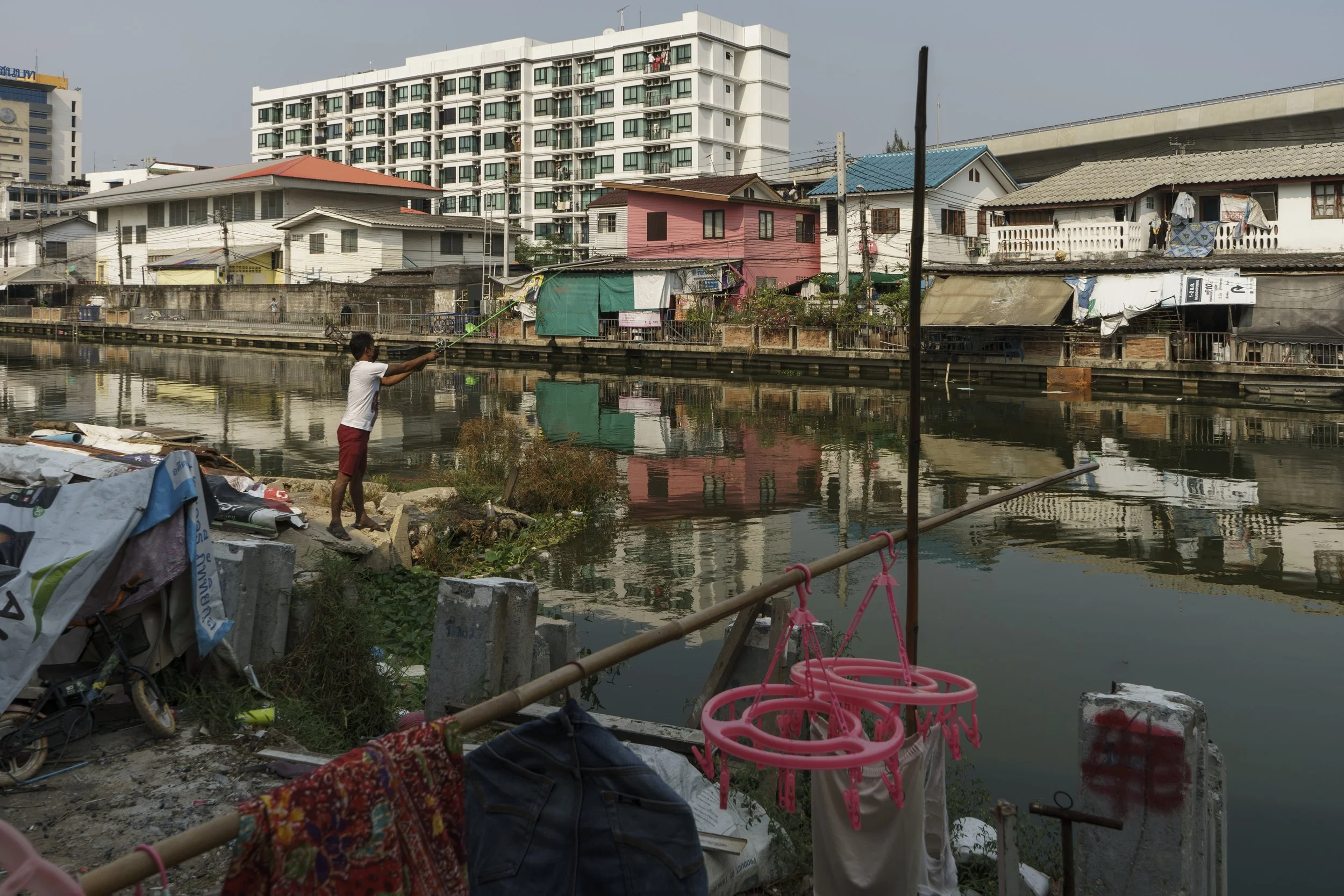
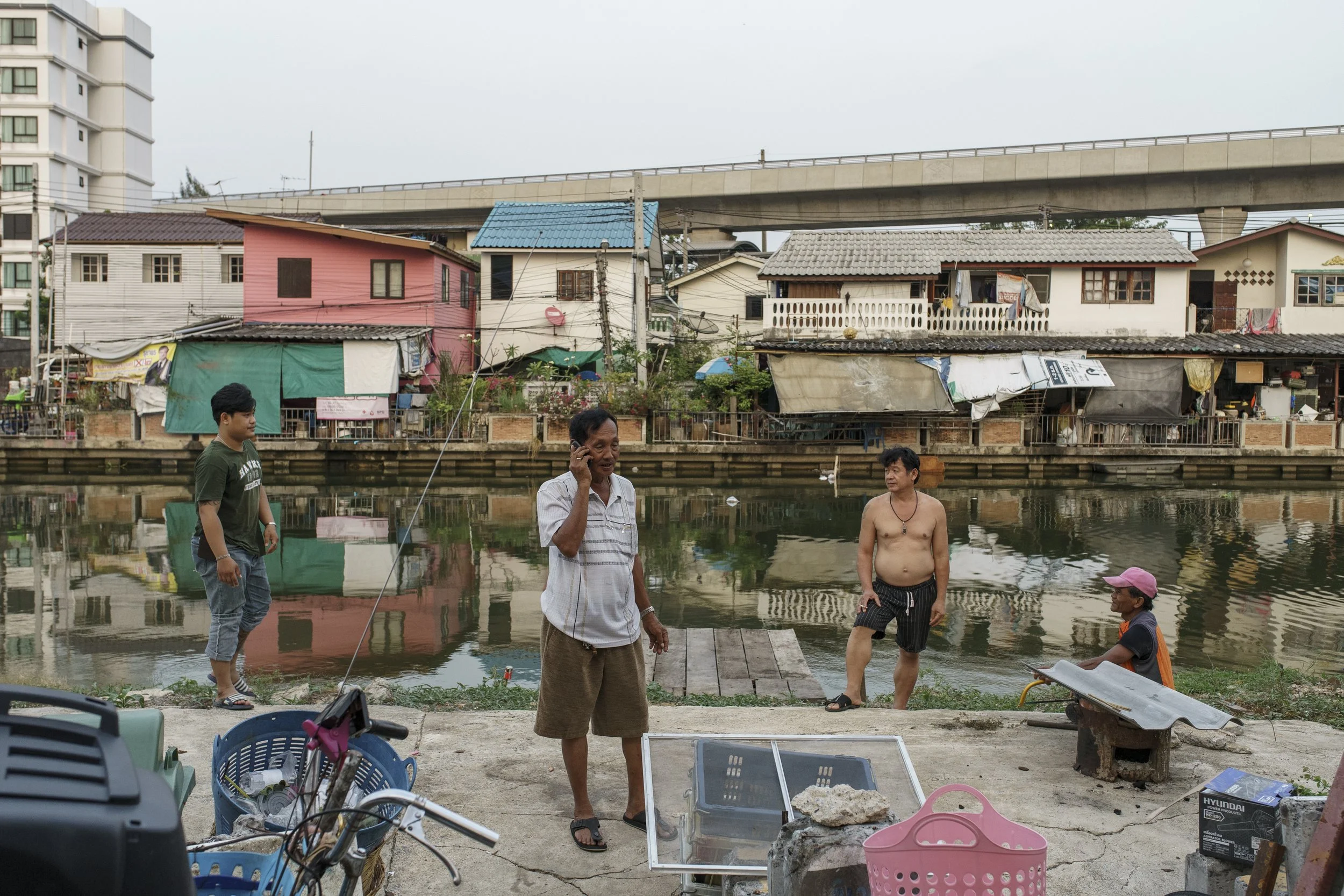
This community is a part of the solar cell project provided by the government, which gives a loan for equipment and installation costs of around two hundred thousand baht. Still, the energy which is machine holds was only to pay a debt that will last for ten years till they can use their solar energy, and this does not include compensation costs.
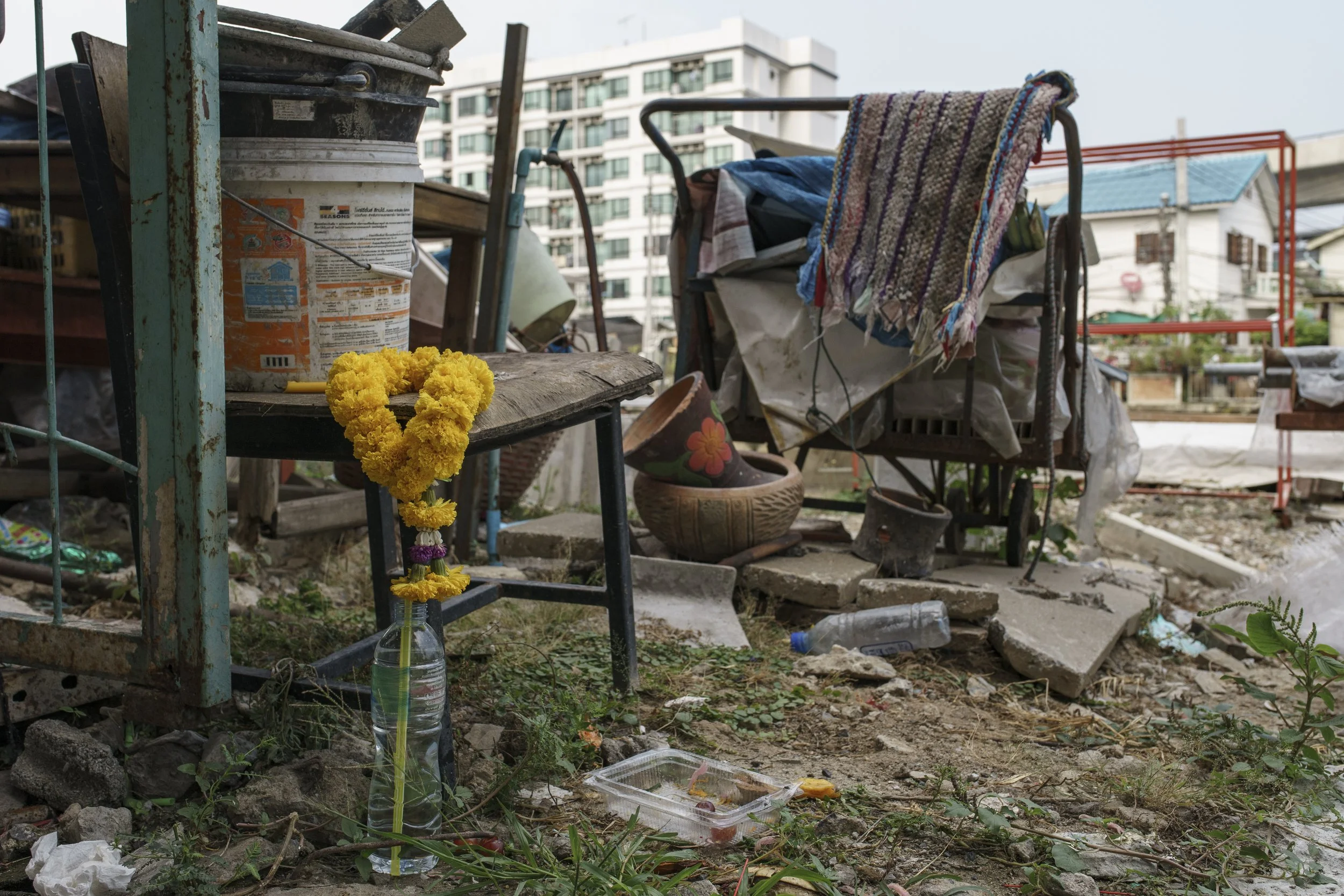
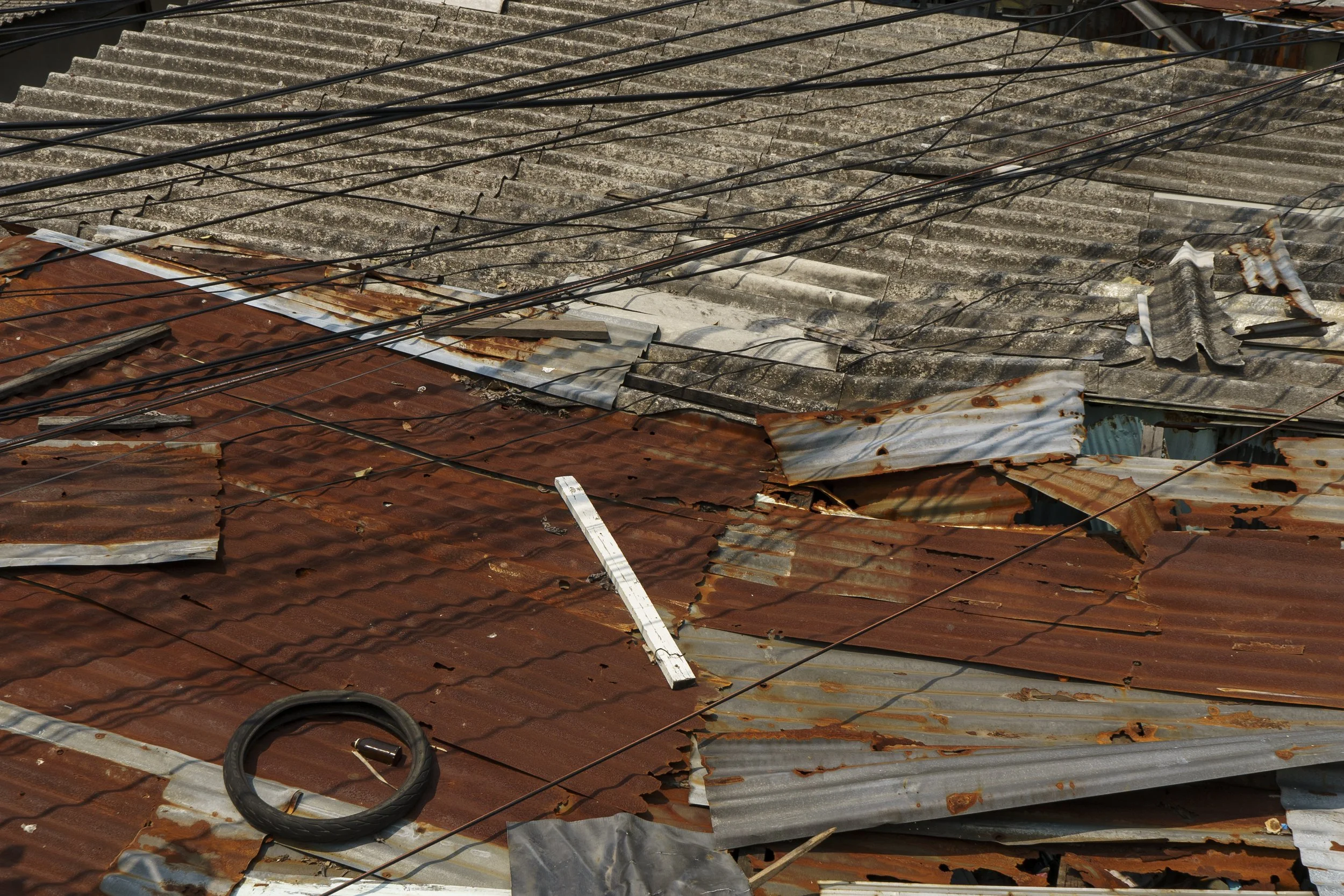
Besides making household debt, the government only focuses on this project and overlooks many issues that make this community not ready to have solar energy. For example, the income problem and many construction projects in this community are left unfinished.
Despite many flaws, some households participate in this project and consider it a legacy for their descendants.
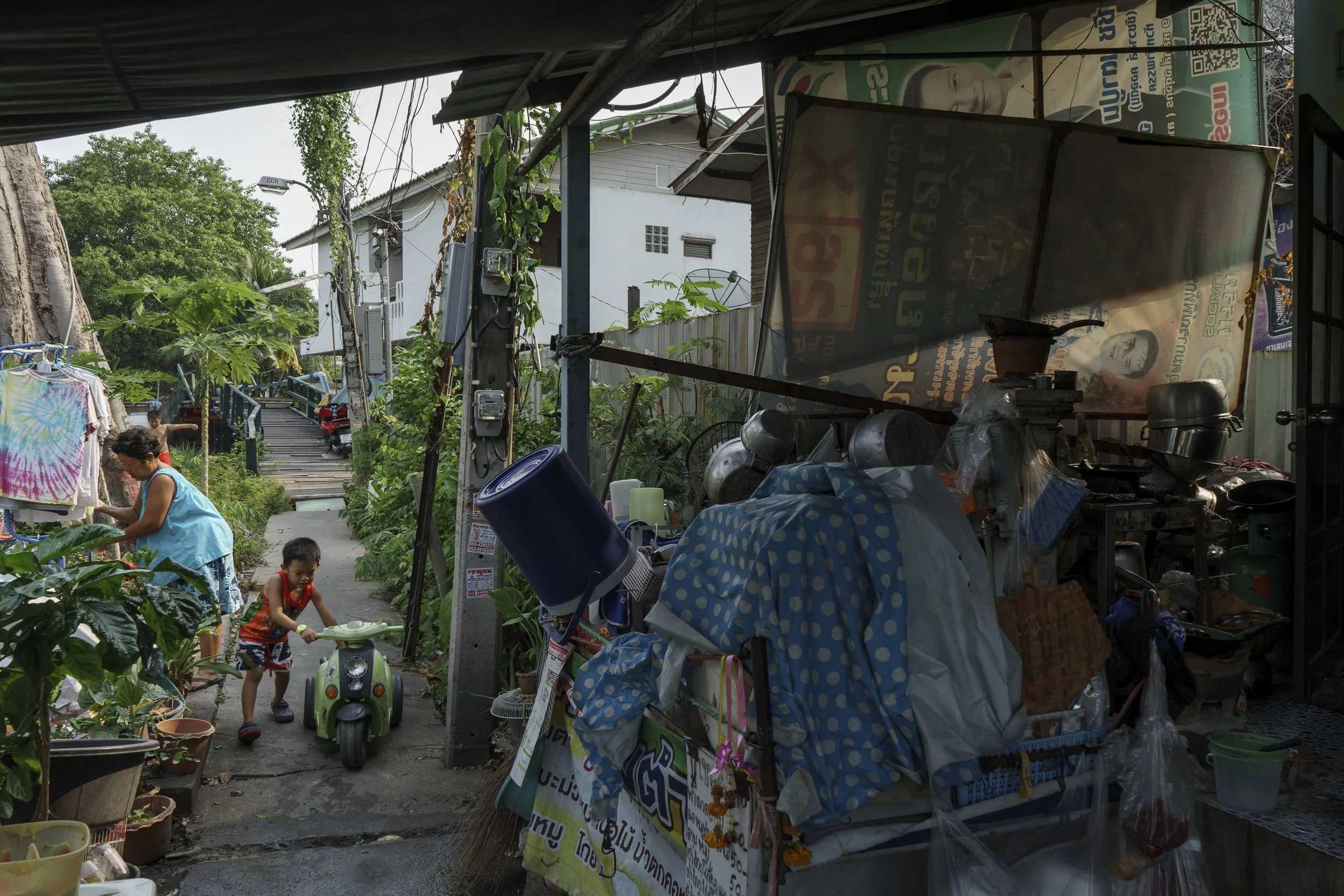
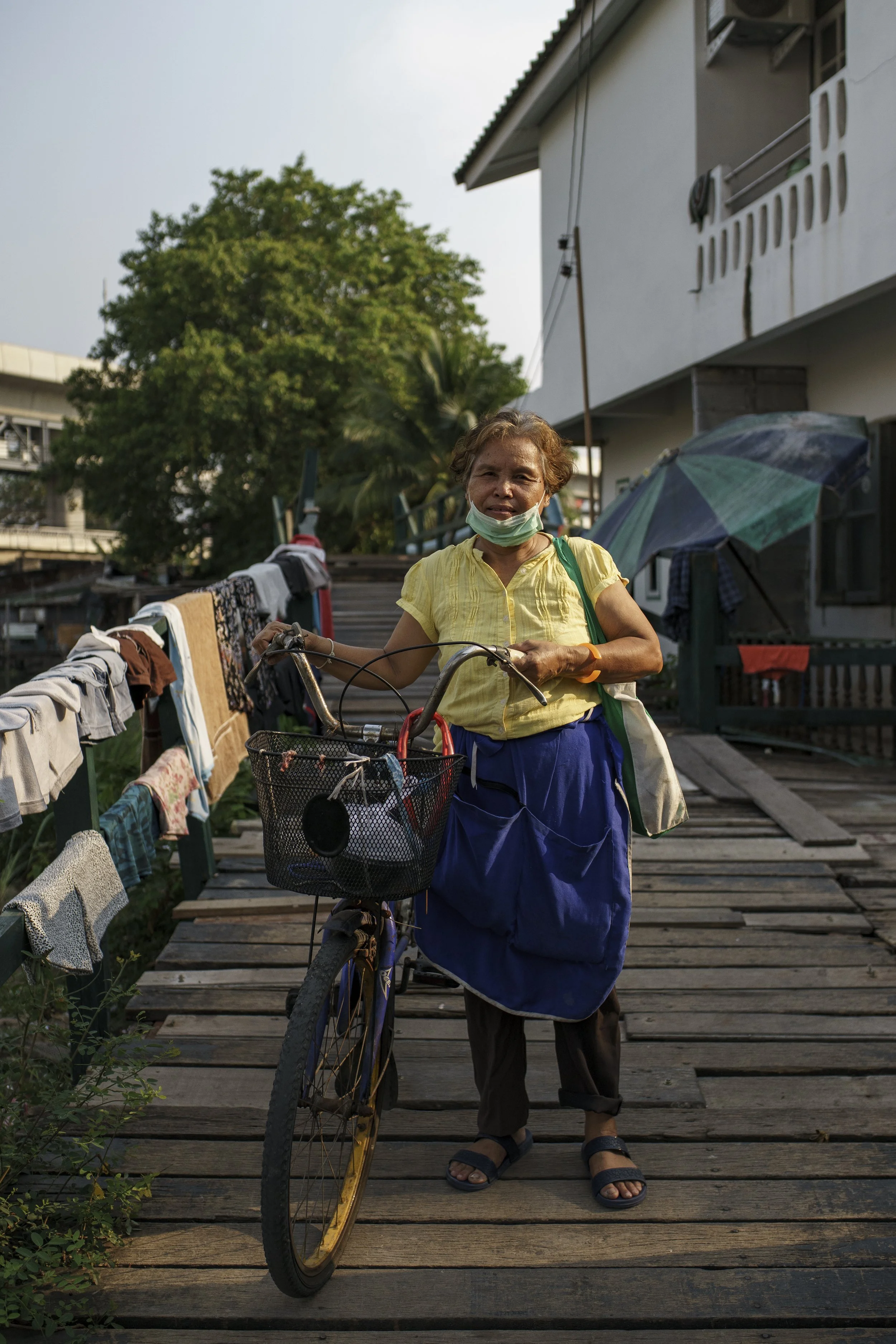
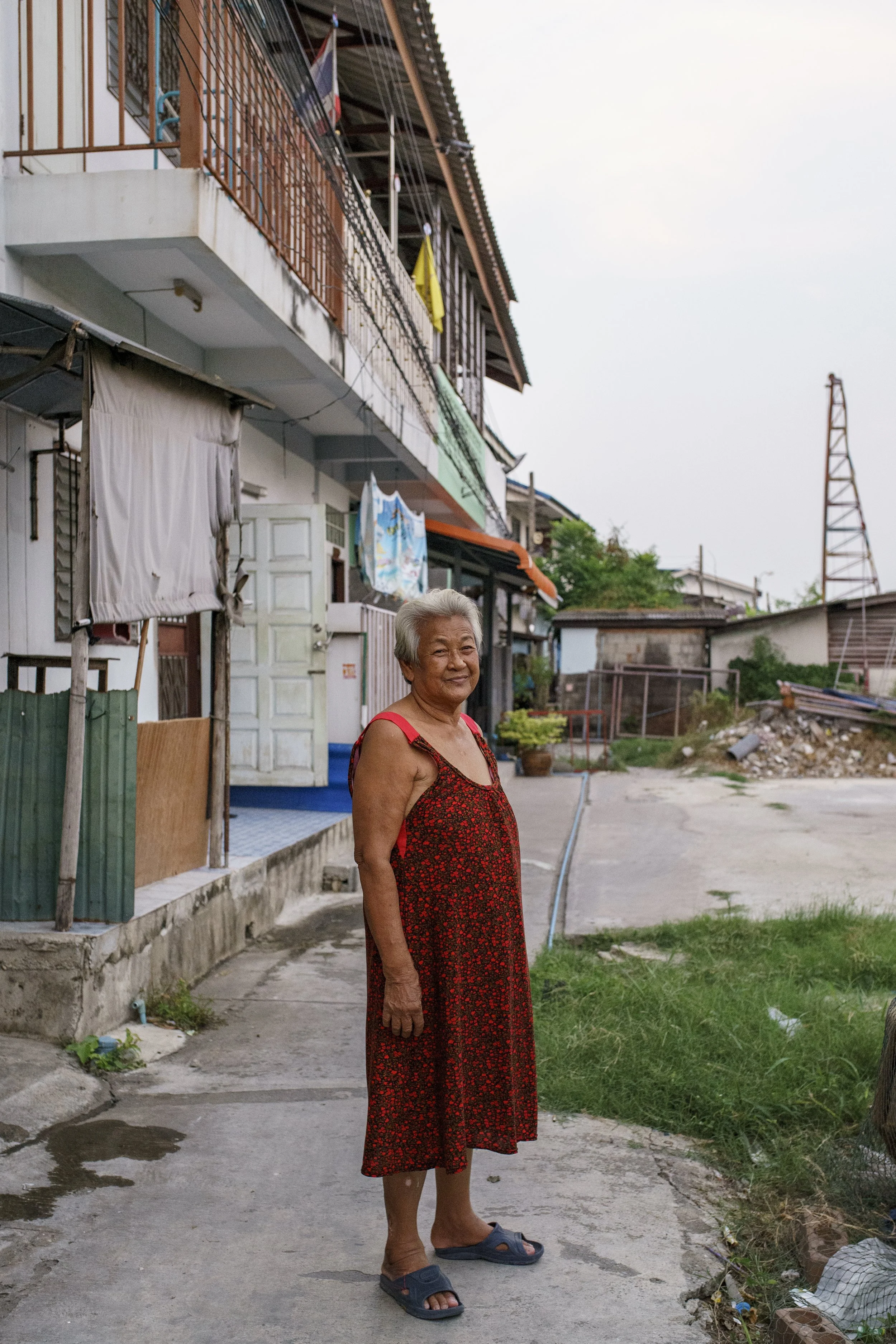
“When they reconstructed my house, government authorities came up with this solar cell project. They rebuilt my house under the Baan Mankong Pracharat program. When construction finished, they proposed this project, funded by the Community Organization Development Institute (CODI), with around 15- or 20-year contracts; I can’t remember the details.
All of the energy that was kept will be sold to repay the debt, with a dividend of around five to six hundred baht per month. The more it kept, the more money you will get. I could make five thousand baht per year. When the contract is over, I will have full usage of this energy.This project came with ten households in quota, but most of them didn’t want to participate because they were afraid it would cost them money. They don’t know how much it could make a profit, but I like to experiment, so I am a part of this project. Not only does this energy have value to me, but also to my descendants.”
Bang-orn Boonviset,
one of the participants in the
solar cell project
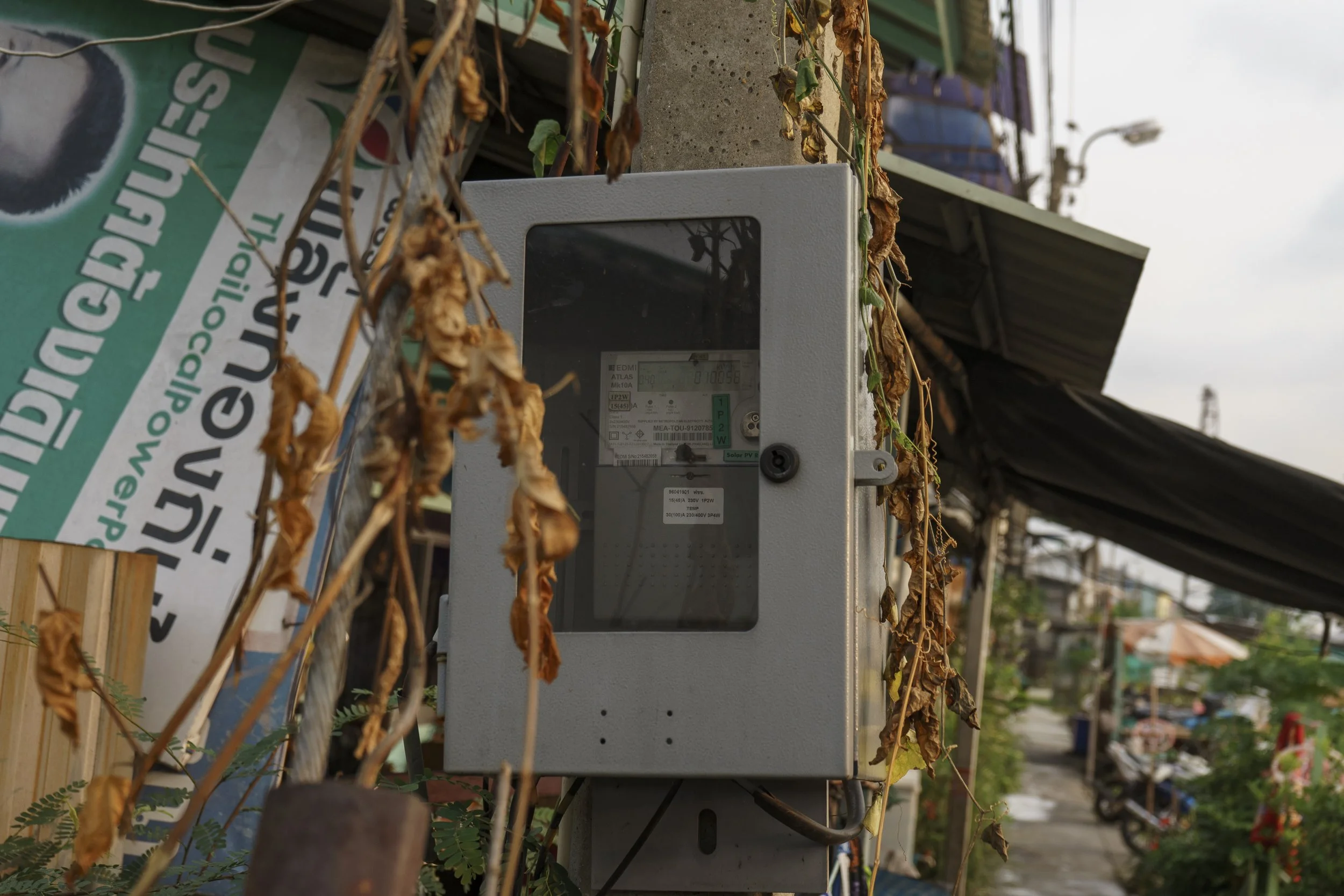
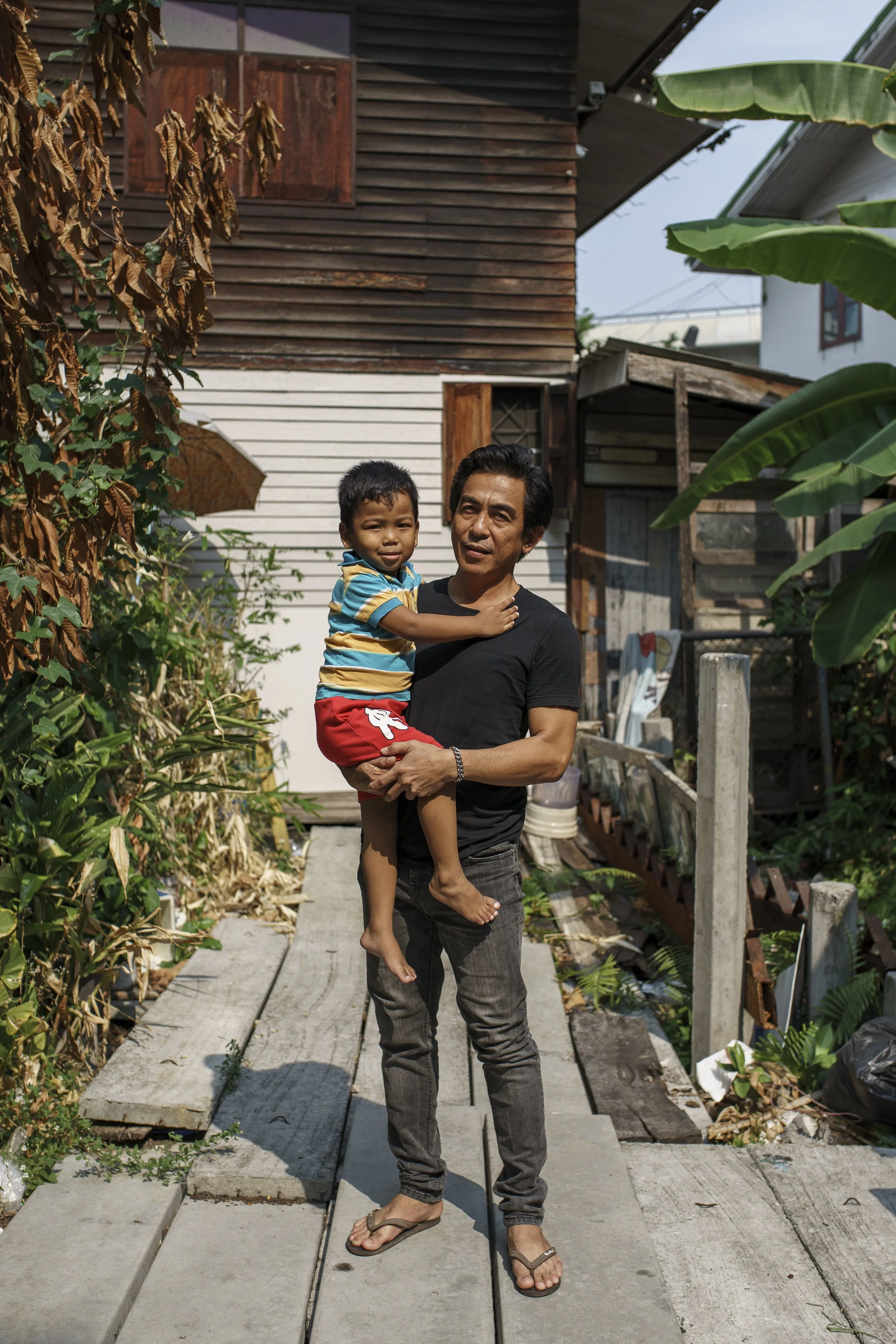
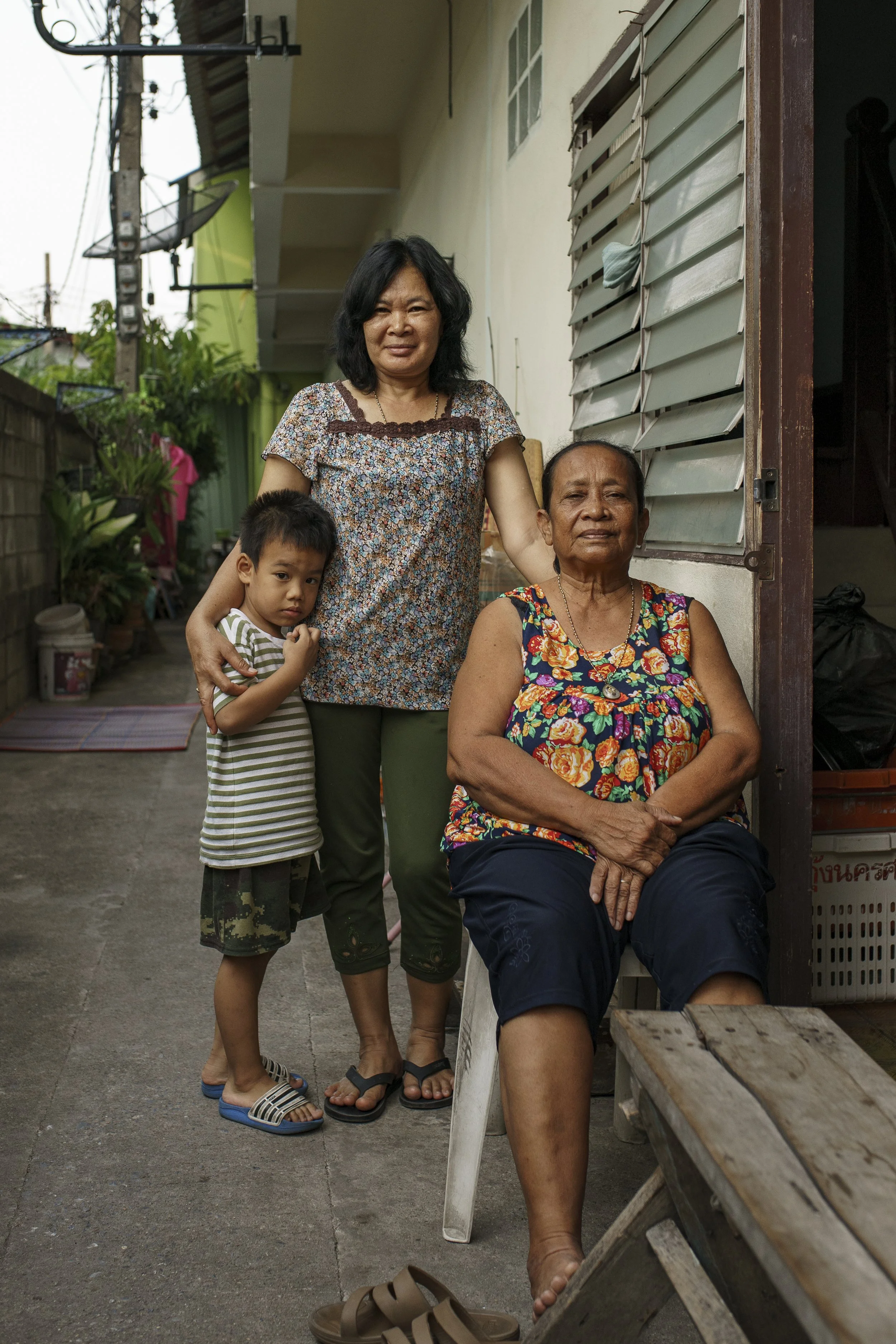
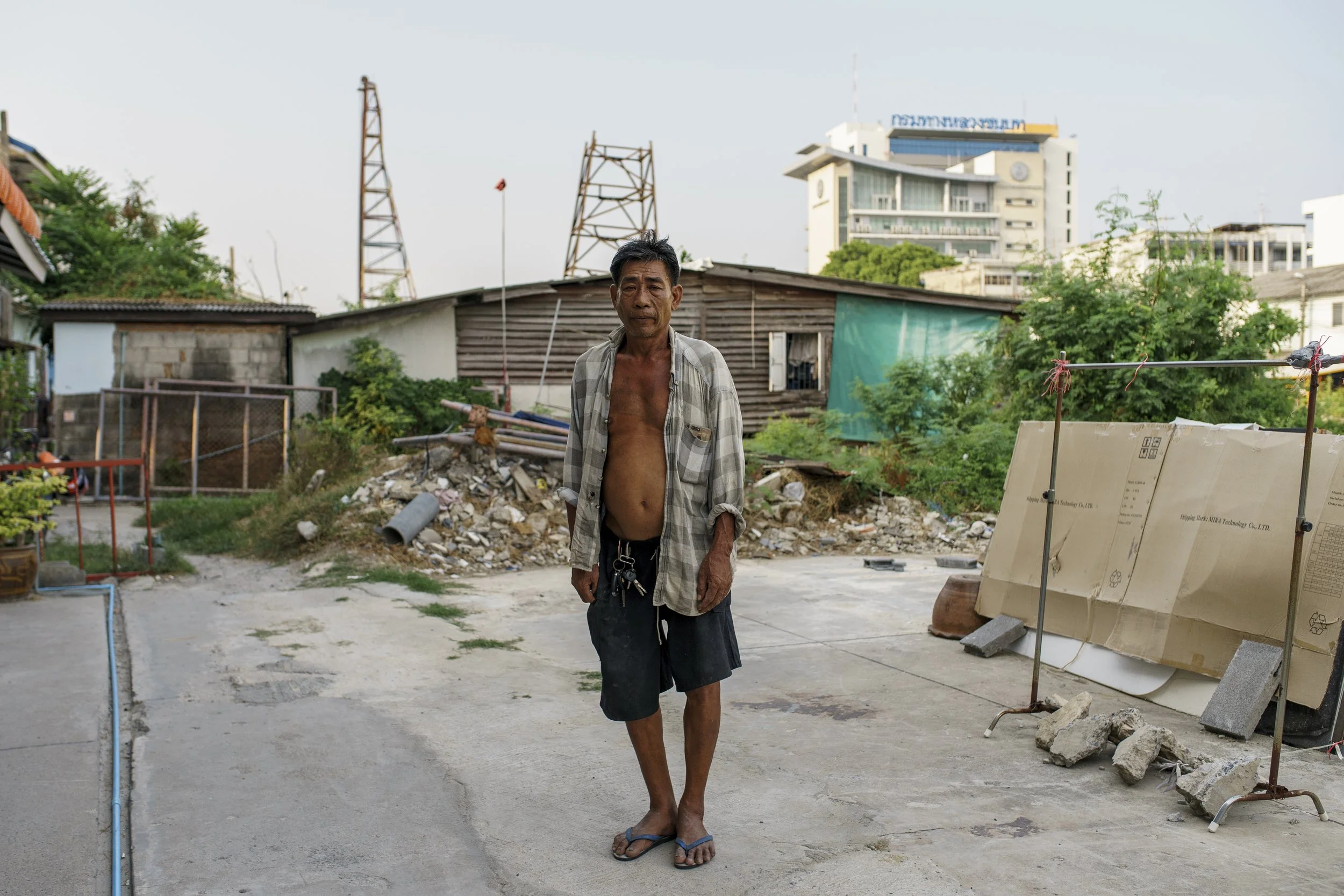
“It was installed around two or three years but still can’t be used. This process costs around two hundred thousand baht, I guess. I don’t know the details because my wife is the one who allows it as I remember there are around four or five households that installed it.
I don’t know how much money this thing can make or how much debt it can repay each month. My wife is one of the village committees. I don’t care about it much, and I don’t know the details.
She said if the debt paid, we’ll have free energy to use if the energy still left we could sell them to the electricity authority.
She didn’t consult me before it was installed. If she consults with me, I wouldn’t allow it. I don’t want to be in debt.”
Thongma Iam-ong,
Bang-orn’s husband
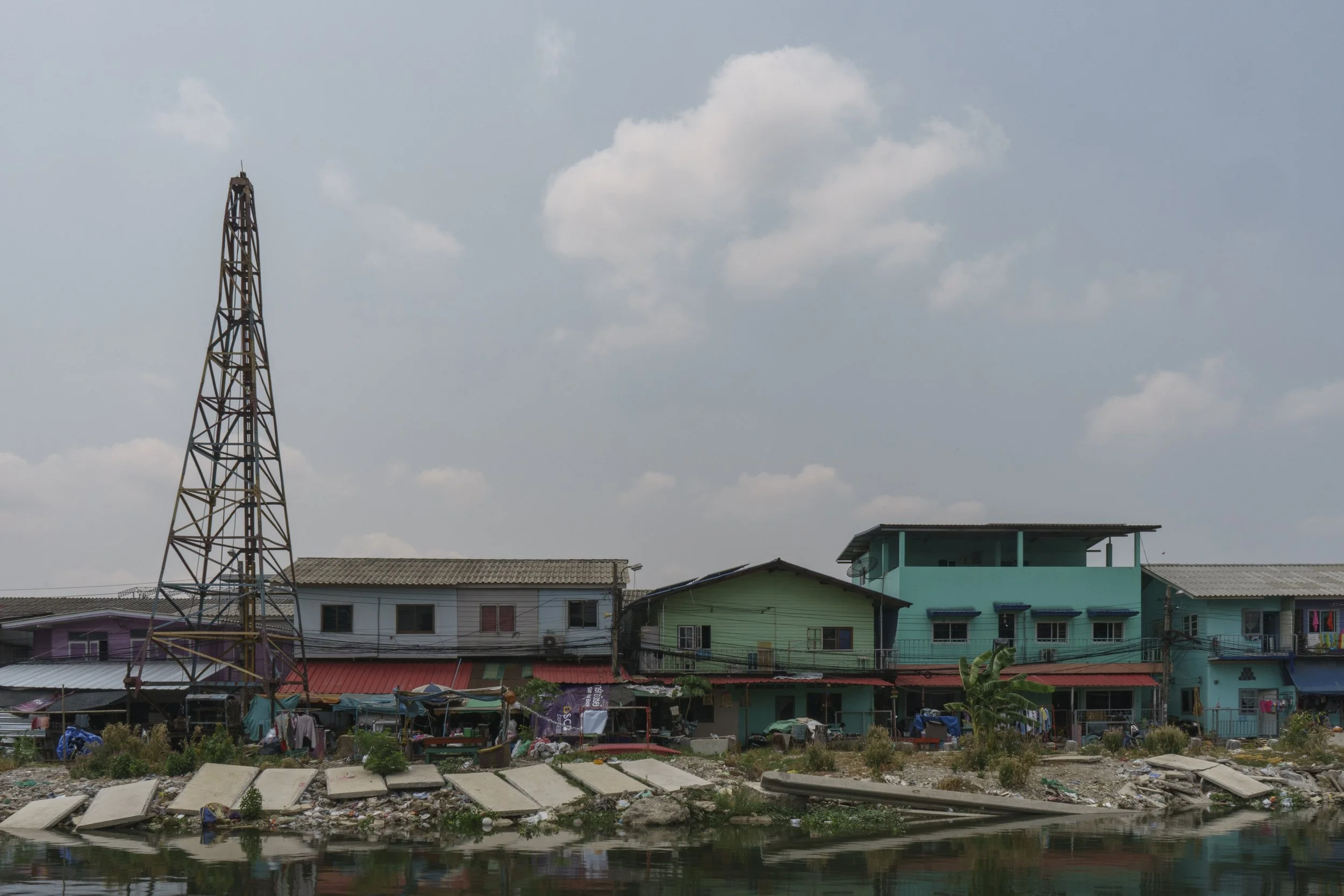
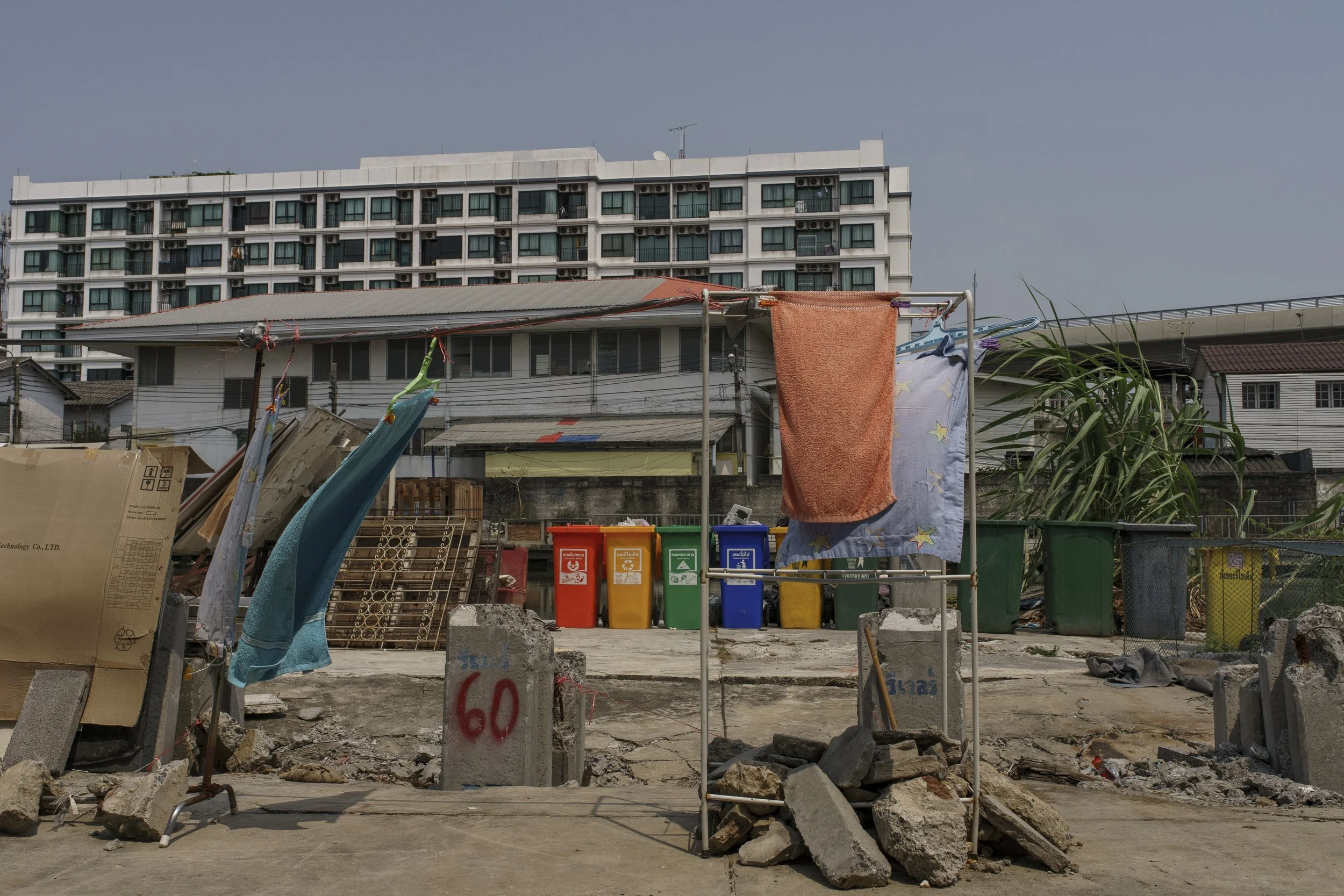
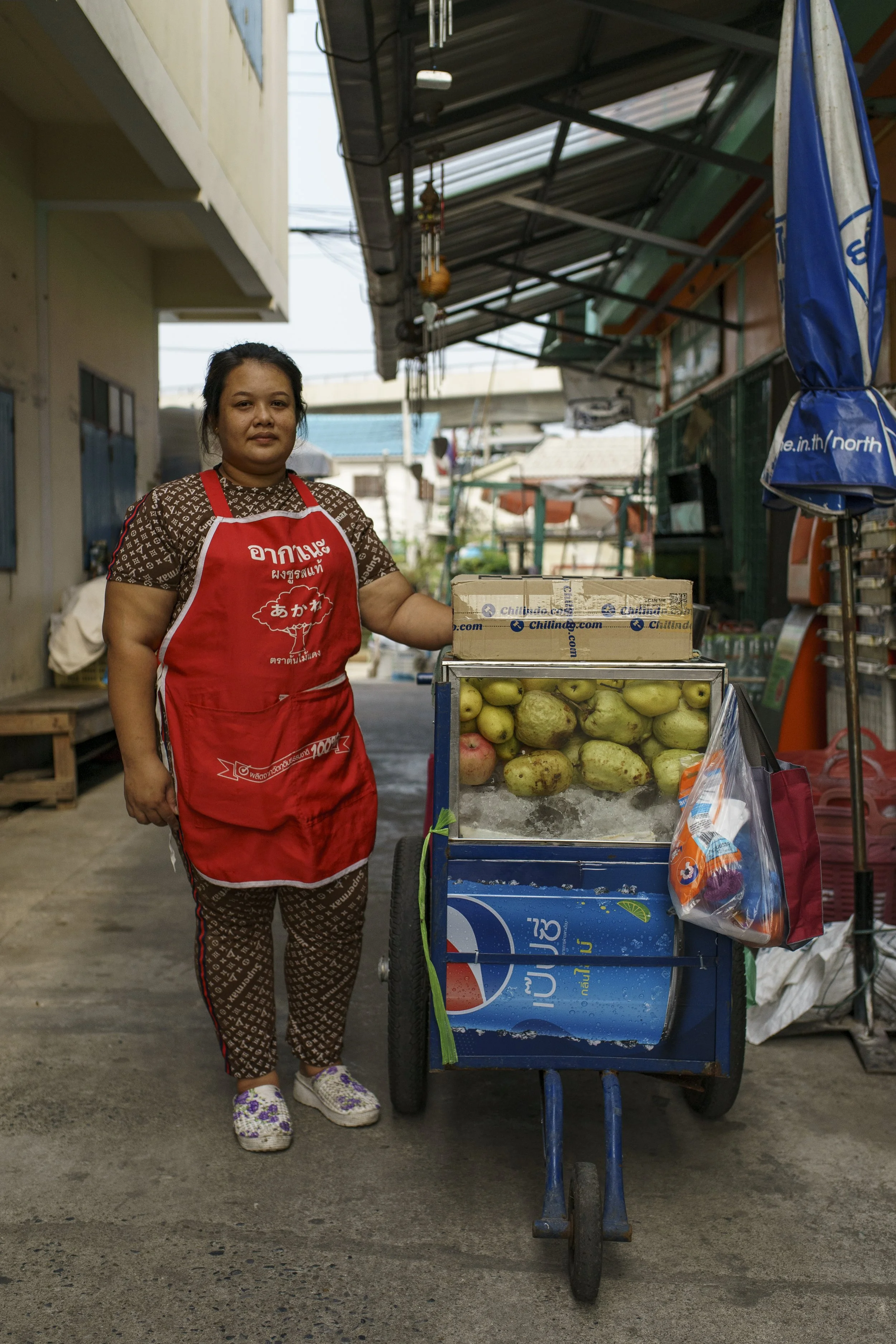
“I think it’s nice to have it, but the price is too high; poor people like us couldn’t afford it without being in debt. Two hundred thousand is too much money, and this price doesn’t include reparation costs, which is too much money to spend on, but our income is too low. That’s why most people didn’t install it.”
“This community is not like the countryside. It’s good if you install it there because this community already has electricity, and there’s no need to use alternative energy.”
“Do you know solar energy?”
“Hmm, is it the thing that you put it under sunlight, combine with a car, and it... will run by itself?”
“Yes, it is. Do you like it?”
“I like it.”
“Really!? I didn’t know that it cost that much, looks not worth it for me.”
“My father does not agree with this project. He said it is useless."
“I never studied this thing. I don’t know how it works. I don’t know.”
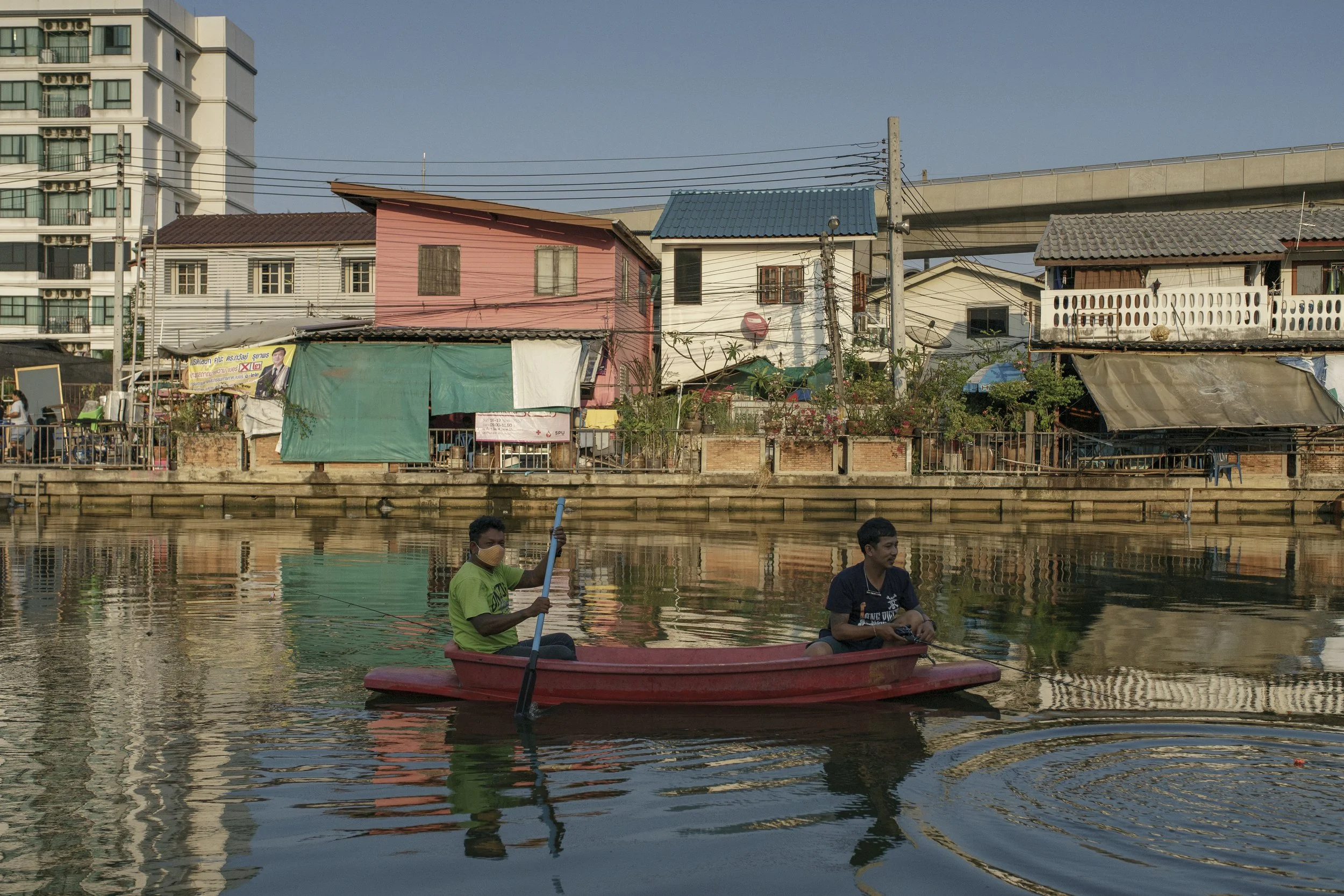
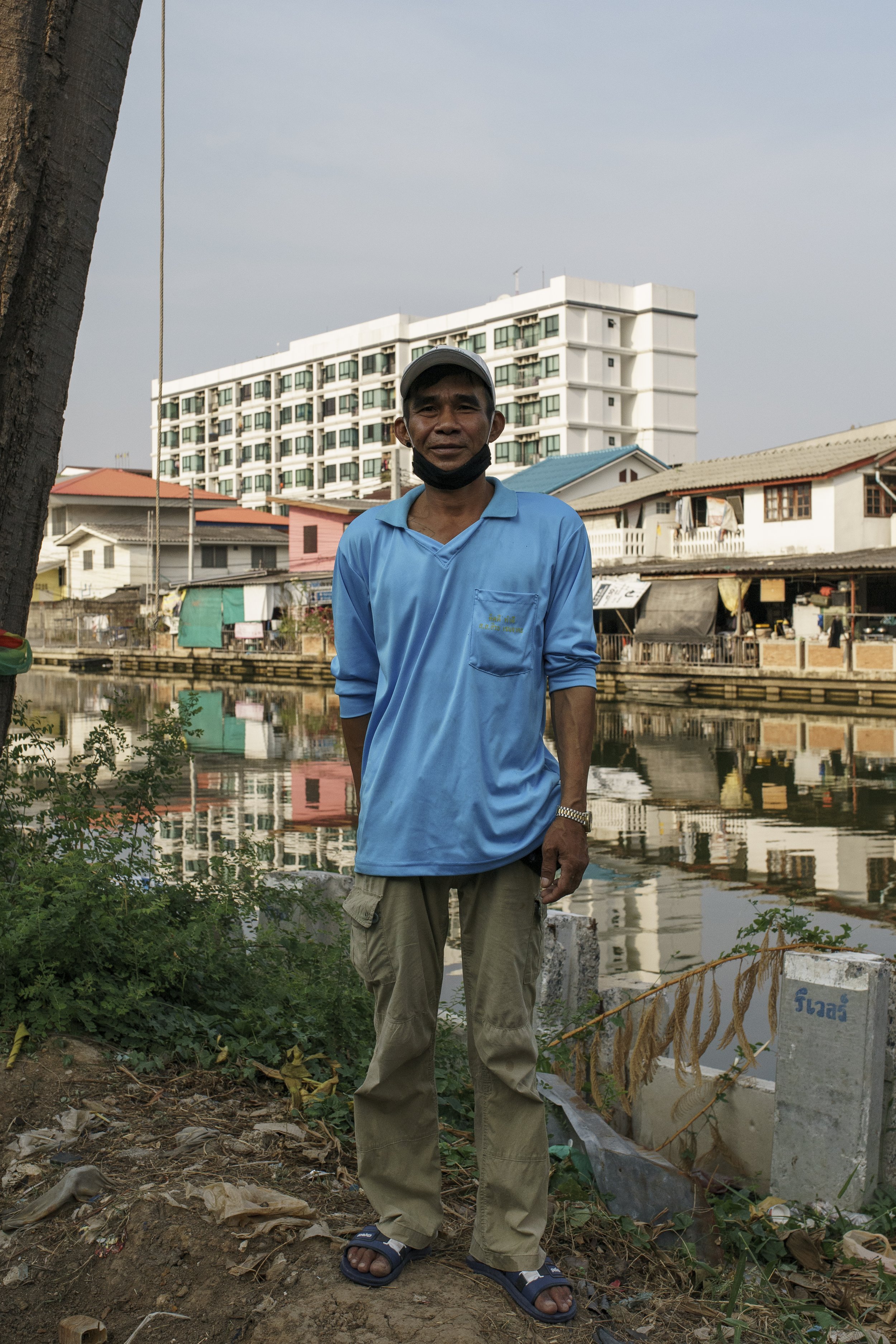
“Why put a mask on only at night?”
“It’s the time when people are back from their work. I’m afraid of that virus (COVID-19). I don’t know who is infected, so I put it on when I go outside.”